Bringing together diverse expertise to understand genetics, reproduction, development, and disease
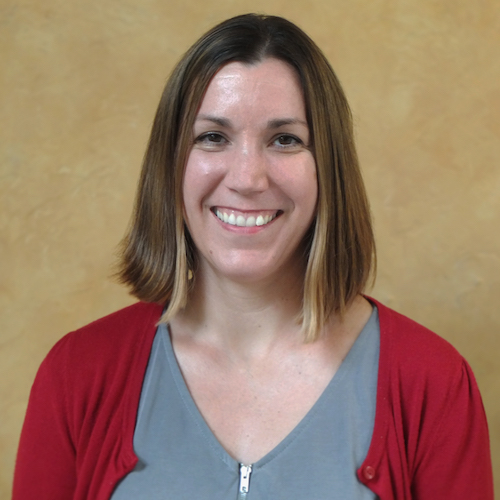
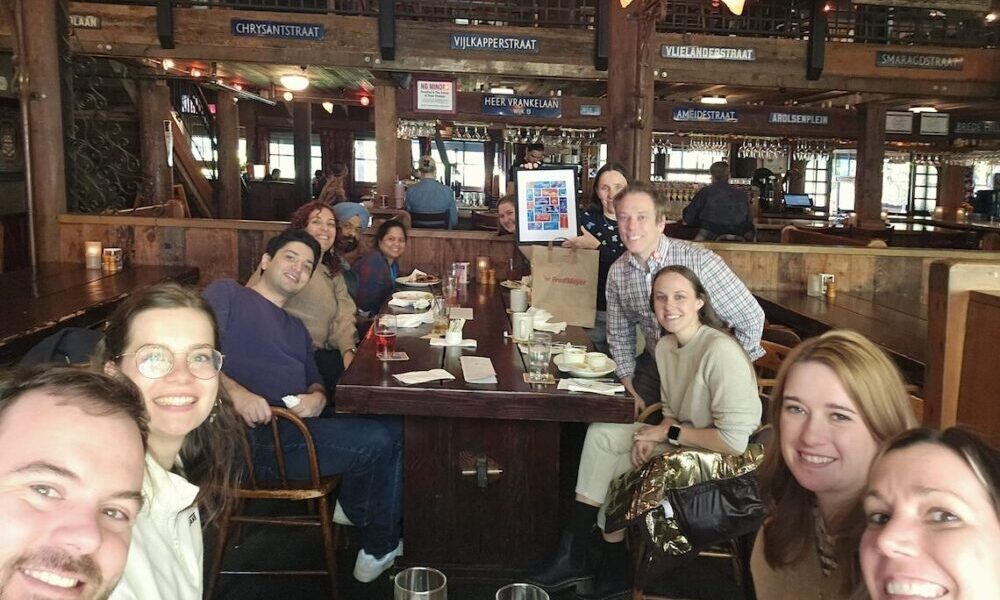
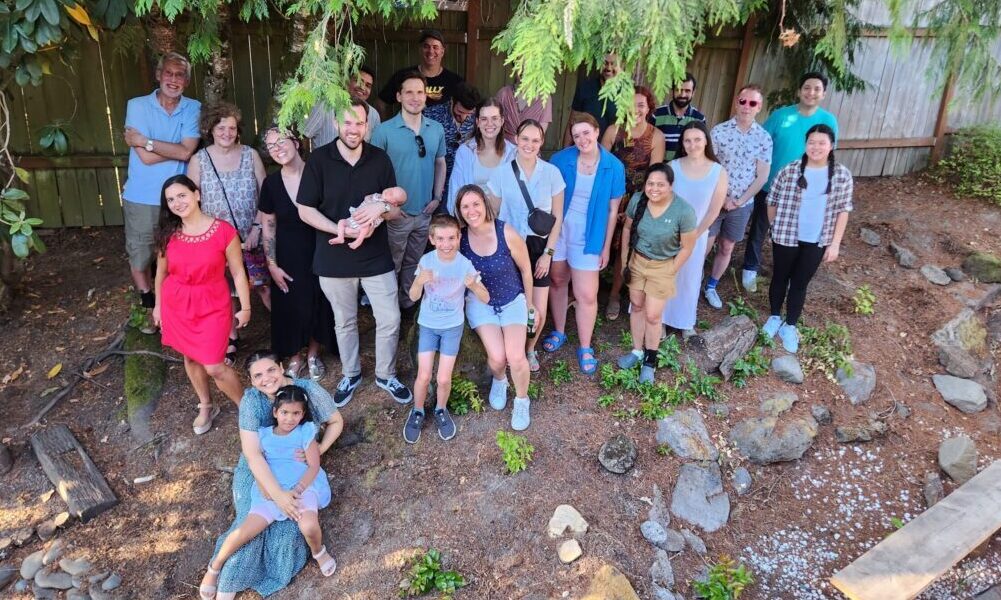
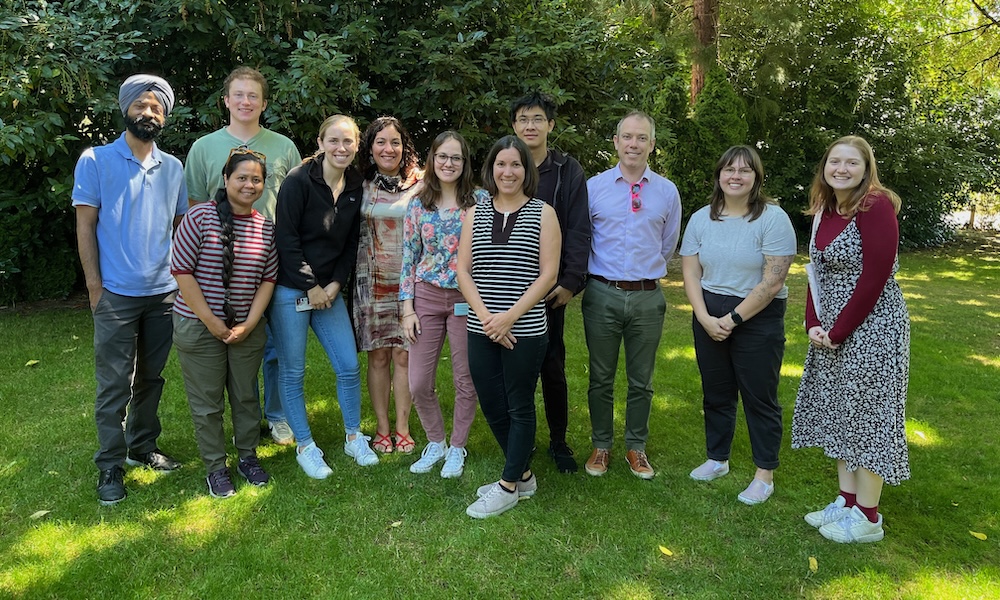
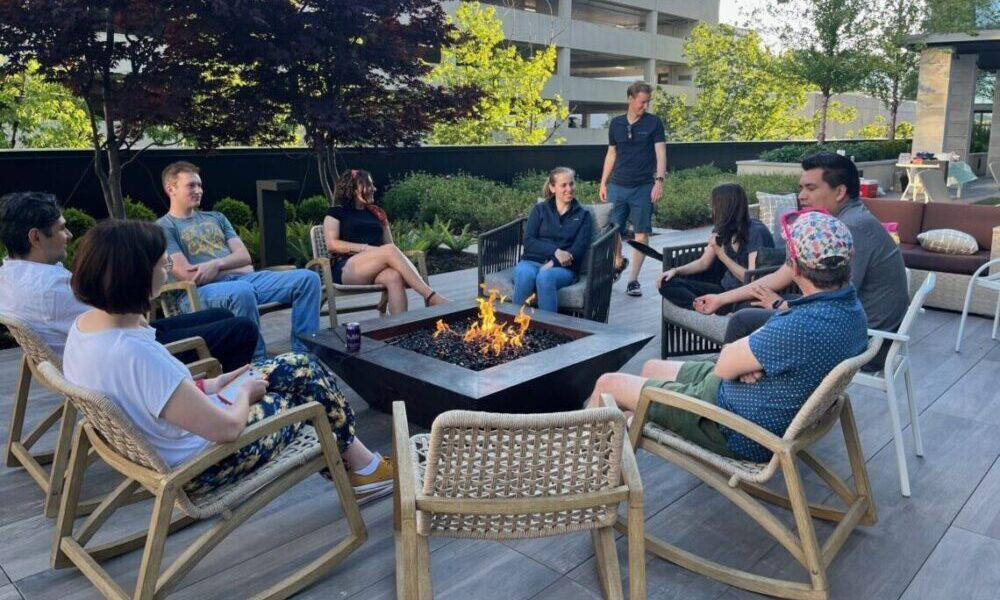
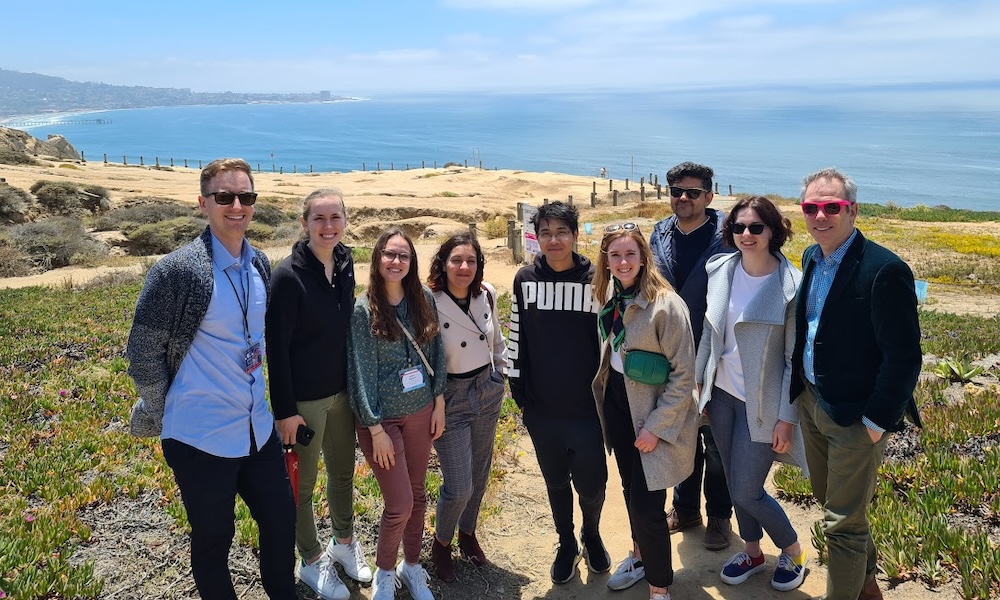
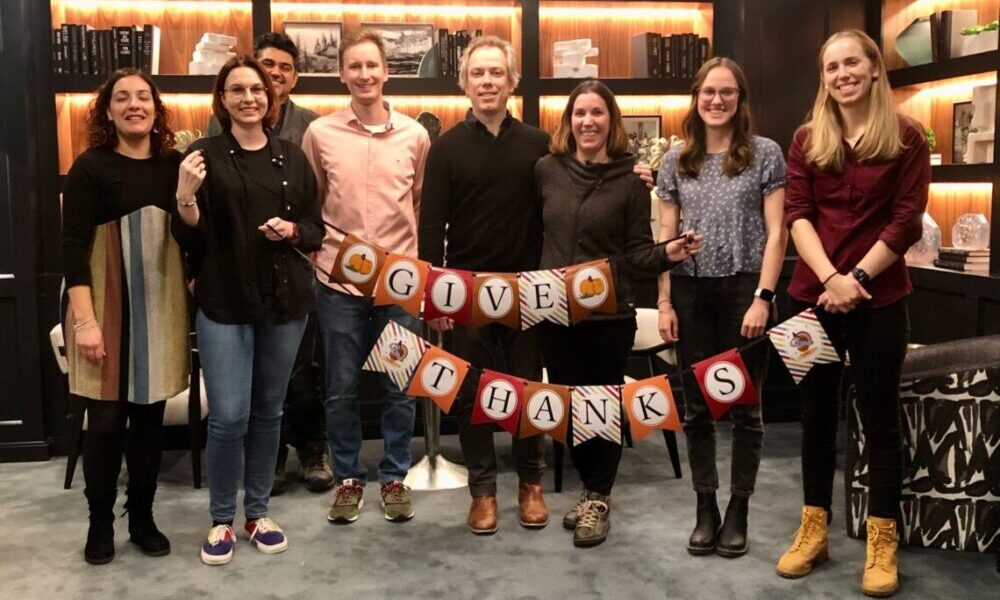
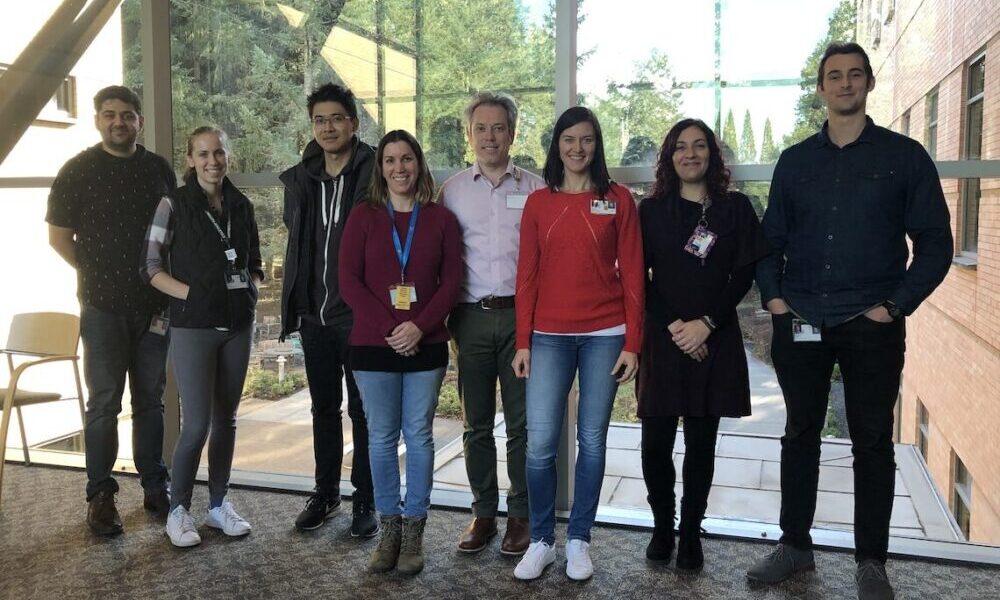
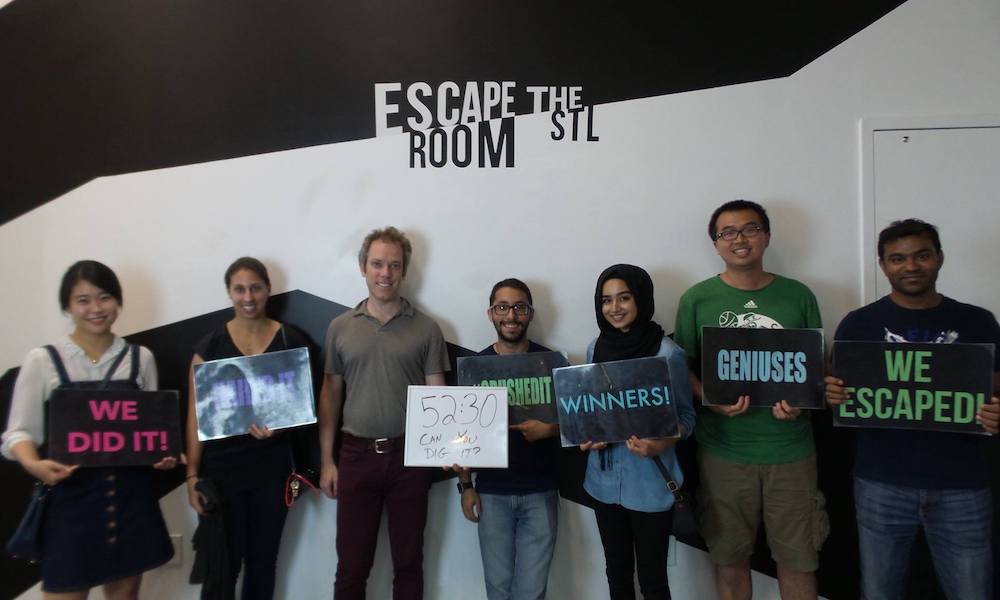
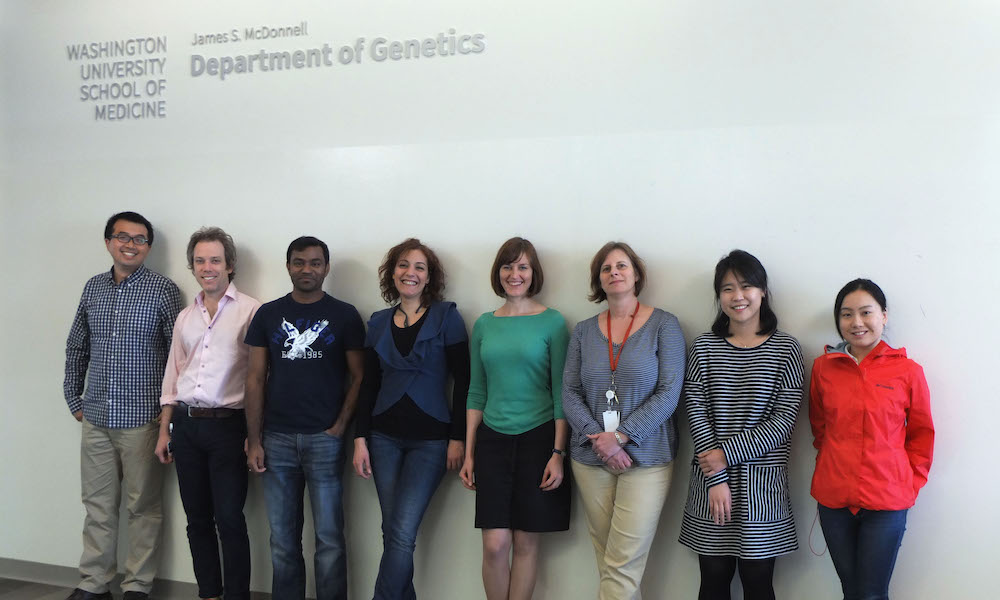
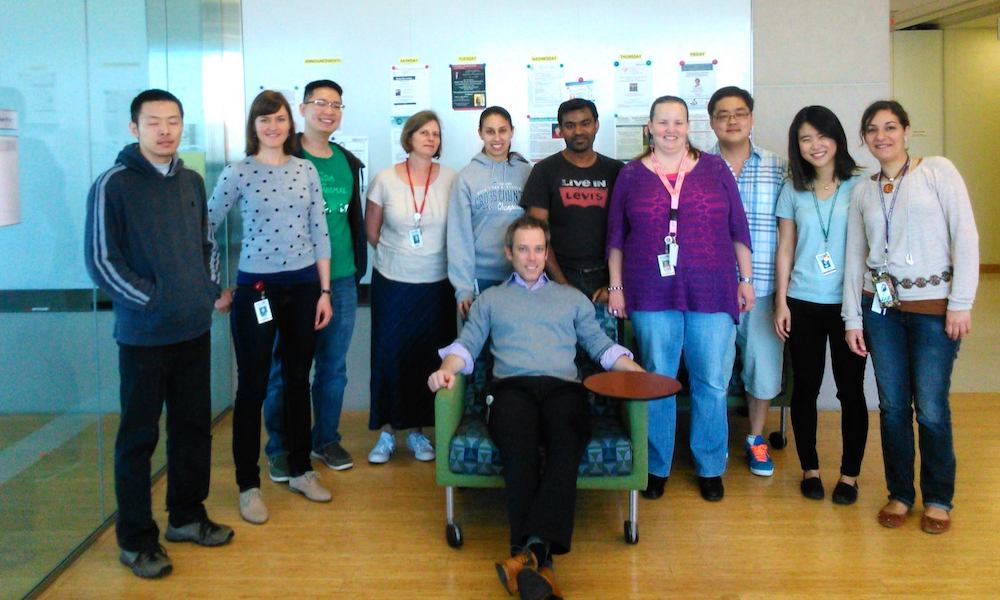
The Conrad Lab brings together researchers with backgrounds in genetics, genomics, reproductive biology, computational biology, and related fields. Our collaborative approach combines diverse perspectives and expertise to address questions across human and primate biology.
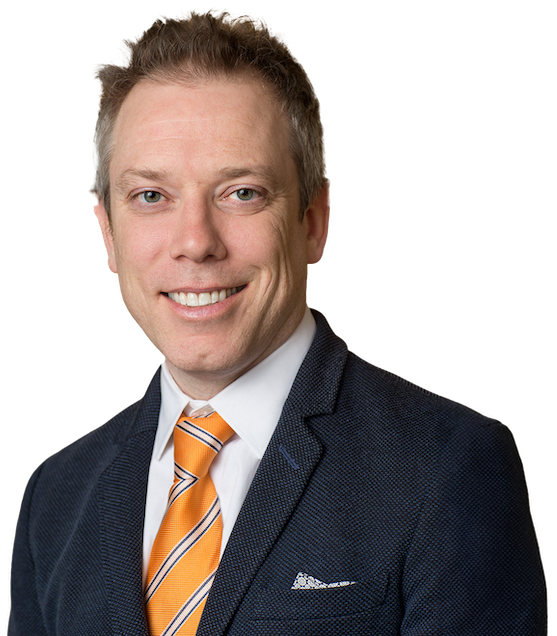
The lab is lead by Don Conrad, PhD, a world-renowned expert in genetics/genomics and the development of bioinformatics pipelines/platforms for the efficient assessment and management of genetic data.
A major emphasis of his current research includes defining the origins of mutation and the distribution of mutation frequencies that impact gametogenesis, fertilization, and pregnancy.
Don received his training at the University of Chicago and the Wellcome Trust Sanger Institute prior to joining Washington University in St. Louis, where he led a successful research group in the Department of Human Genetics. He joined the ONPRC in 2018 to lead the newly established Division of Genetics.
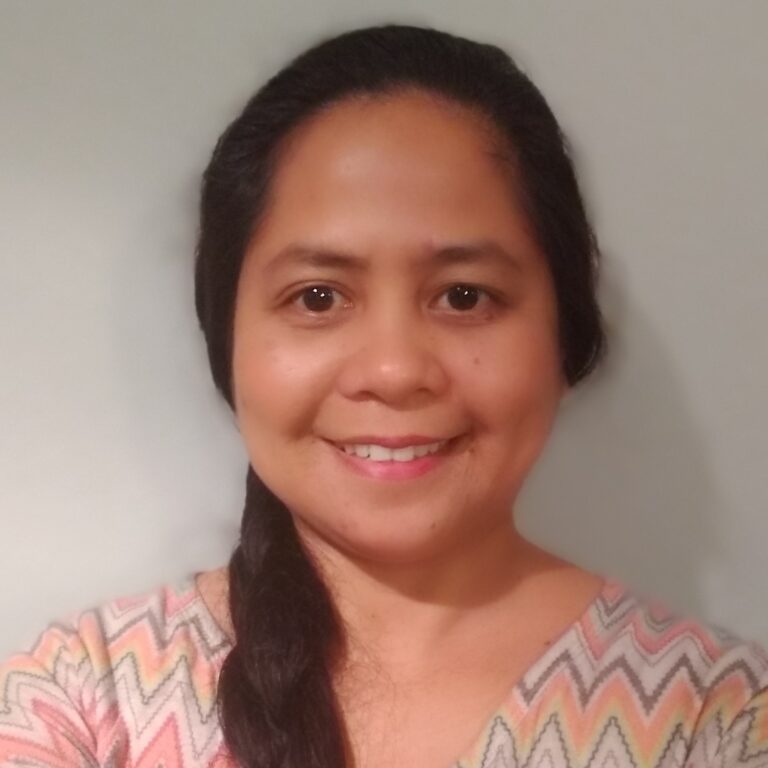
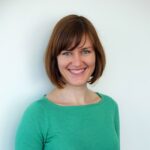
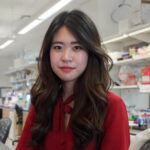
Fritzie joined the Conrad lab as a Senior Research Associate in July 2022. Her research background utilizes fish models to study the roles of hormones and the effects of environmental stressors including endocrine disrupting chemicals on growth, reproduction, and stress response.
Fritzie is excited to venture into biomedical research, and she is currently contributing to the technical aspects of several projects in the Conrad lab as well as in the management of the wet lab. She is looking forward to characterize the normal function of the testis, as well as the effects of environmental and genetic causes of testicular dysfunction in mammals. She is also interested in the roles of stress and immune responses in pathology.
Fritzie completed her PhD in Bioresource Production Science (Aquaculture and Livestock Production- Fish Reproductive Physiology) in the laboratory of Prof. Takeshi Miura at Ehime University in Matsuyama, Japan. Her dissertation focused mainly on endocrine physiology, in which she studied the effects of arsenic and oxidative stress on spermatogenesis and the mechanism of their effects involving the antioxidant defense system in the testis using the Japanese eel (Anguilla japonica) as a model. The results of this research work provided insights into the molecular mechanisms of the tolerance of spermatogonia to oxidative stress.
She worked as a Research Specialist at the University of Hawaii in Honolulu where she led a research project in determining the long-term effects of early-life exposure to estrogenic endocrine disrupting chemicals on growth and reproductive physiology in tilapia. One of her major works also include characterizing the mechanisms associated with the endocrine control of growth and reproduction that may underlie sexual dimorphism using tilapia as a model.
Outside the lab, Fritzie loves photography, road trips, discovering new places, and fishing.
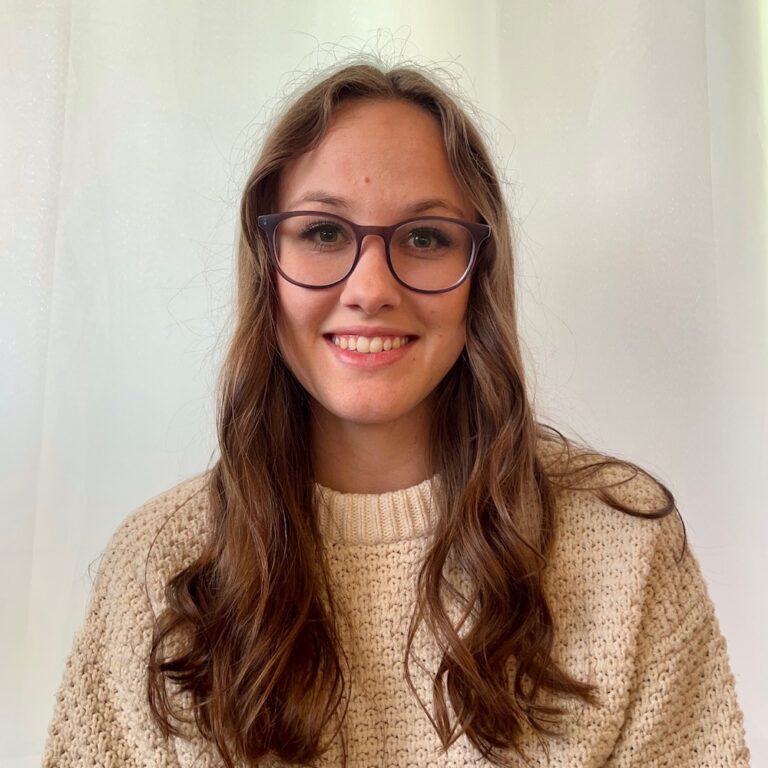
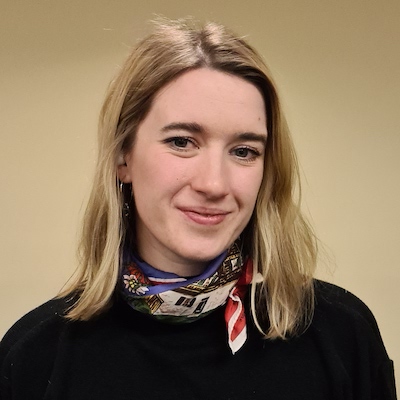
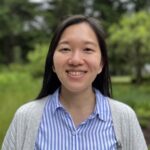
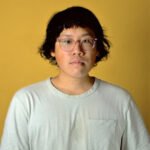
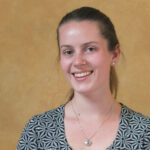
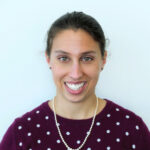
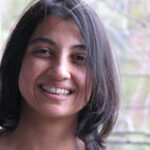
Helen joined the Conrad lab as a computational biologist in September 2021. Although her background is in geobiology, she is excited to apply the bioinformatic skills she learned from her research experiences to human and non-human primate genetic data and is contributing to several projects in the Conrad lab.
Helen received her Bachelor’s degree in Biology at Willamette University in 2020 where she did geomicrobiology research looking for novel Asgard Archaea in Oregon Coast sediment samples utilizing genomics and microscopy techniques. She then received her Master of Natural Science (Geological Sciences) at Arizona State University in August 2021 where her project focused on carbon utilization of deep sea marine microbes in hydrothermal vent systems. In this project, she utilized bioinformatic techniques to craft a data pipeline to analyze metagenomic and metatranscriptomic data to find inorganic carbon associated genes transcribed by microbes in these deep sea hydrothermal vents.
Helen also worked in the Genomics Unit at Rocky Mountain Laboratories, part of the NIH Intramural Research Program, in Hamilton, MT in 2015-2016.
Outside of the lab, Helen enjoys hiking with her dog, going to the coast, cooking, and reading.
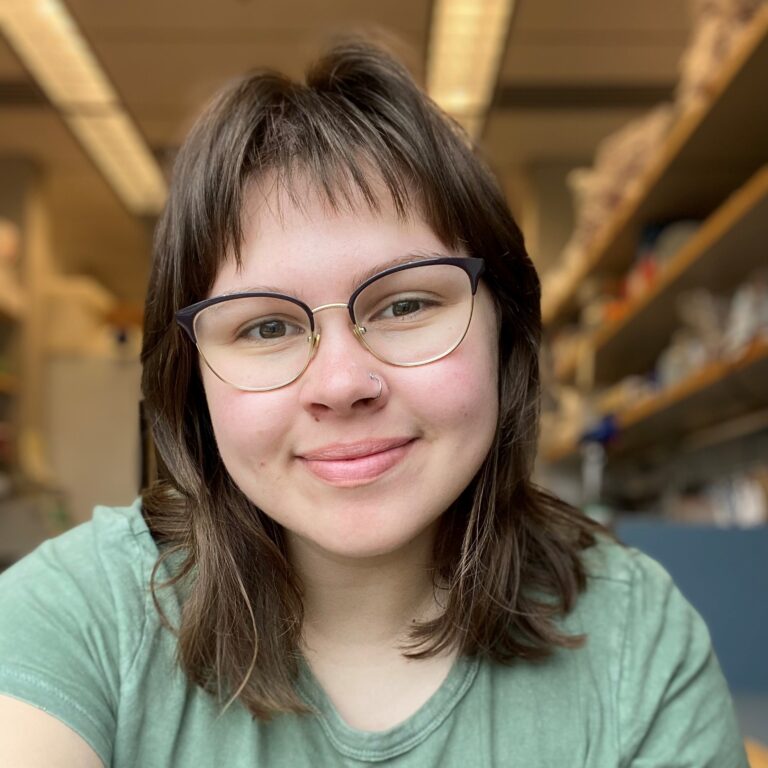
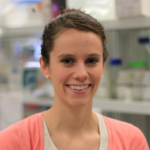
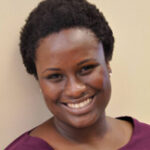
Jenna joined the Conrad Lab in May 2022 as a Research Assistant. She is working on the newly funded dGTEx project.
She received her B.S. in Biology from Pacific University where her thesis work was about dispersal methods and biodiversity of ciliates in the Pacific Northwest with Dr. Jon Schnorr. She previously worked as a lab technician in a microbiology lab where they tested food products for harmful microorganisms in accordance to the FDA.
Outside of the lab, Jenna is an avid plant hobbyist and loves to garden and do anything crafty.
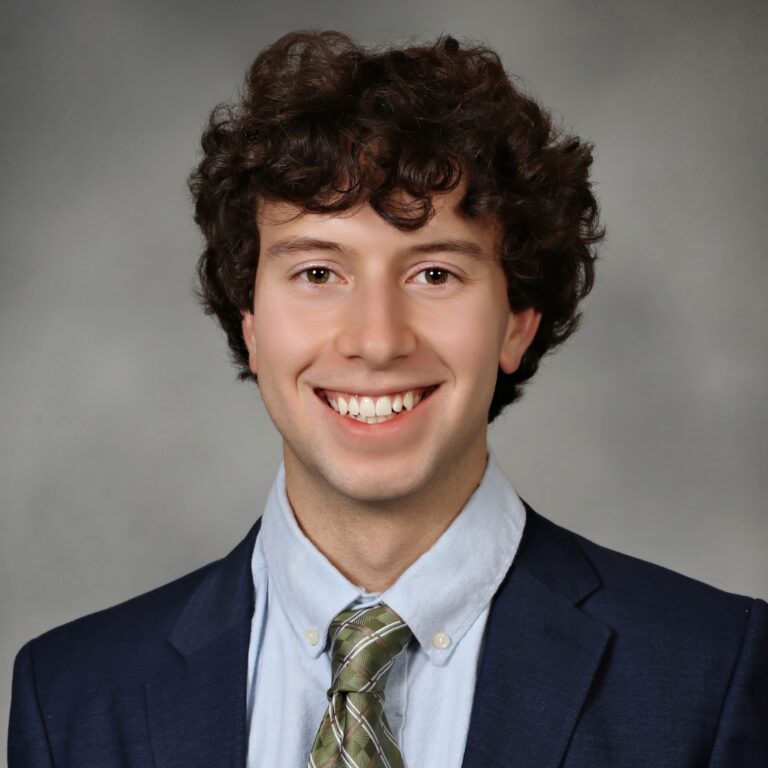
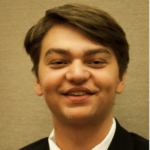
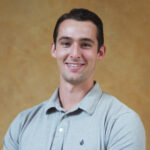
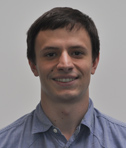
Sam is currently an MD/PhD student at Oregon Health & Science University, pursuing his PhD in the Conrad Lab with a focus on computational biology and bioinformatics. He joined the lab in July 2026.
Sam received a bachelor’s degree in Pharmaceutical Sciences from Purdue University in West Lafayette, IN. As an undergraduate, he completed thesis research in the lab of Emily Dykhuizen, where he studied how to inhibit chromatin remodelers as a cancer therapeutic. He also completed research internships at Mayo Clinic, where he studied the DNA damage response with Zhenkun Lou, and at the NIH, where he studied dopamine receptor pharmacology with David Sibley.
Outside of the lab, Sam enjoys hiking around Oregon, rock climbing, swimming in rivers, and reading fantasy and science fiction novels. He is also involved in mentoring and science outreach programs at OHSU.
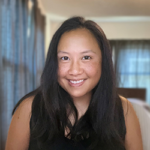
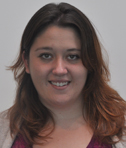
Caitlin joined the Conrad Lab in April 2022 as a graduate student.
In the Conrad lab, she’ll be working on computational biology, mostly on the GEMINI project with the Phase I and II “hit” gene variant lists. She is currently learning to code!
Caitlin received her bachelor’s degree in human biology at the University of Montana in Missoula, MT. She then spent four years at the University of California, San Francisco studying genetic predisposition to non-alcoholic fatty liver disease in a stem cell model. She received her master’s degree in cell and molecular biology, emphasizing stem cell biology at San Francisco State University. Her thesis work involved CRISPR/Cas9 screening of genes perturbing lipid metabolism homeostasis in a stem-cell-derived liver model.
Outside of the lab, Caitlin loves to hang out with her partner and her kitty. She likes to watch YouTube cooking videos and have dinner parties, do DIY projects, thrift for fun clothes, swim, and binge-read novels.
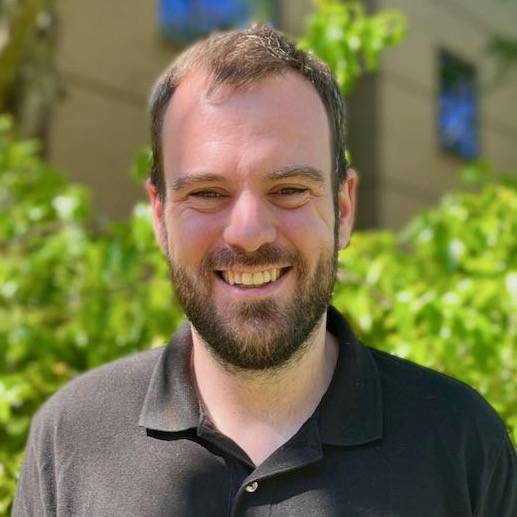
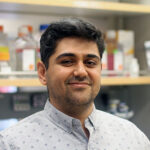
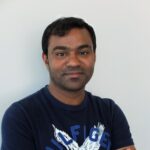
Antoni joined the Conrad Lab as a postdoctoral researcher in May 2023. His research interests primarily focus on deciphering the genetic causes of male infertility and their potential role in comorbidities. In the Conrad Lab, he will be working within the GEMINI project.
Antoni received his PhD from the University of Florence in 2017 and went on to pursue a postdoctoral fellowship at Fundació Puigvert in Barcelona. During his PhD and postdoctoral work, he focused on the discovery of novel genetic causes of non-obstructive azoospermia and testicular cancer by utilizing high-throughput approaches, including array-CGH and exome sequencing.
When he’s not in the lab, Antoni enjoys exploring new places, discovering local restaurants, cooking, hiking, visiting wineries, and spending quality time with his loved ones.
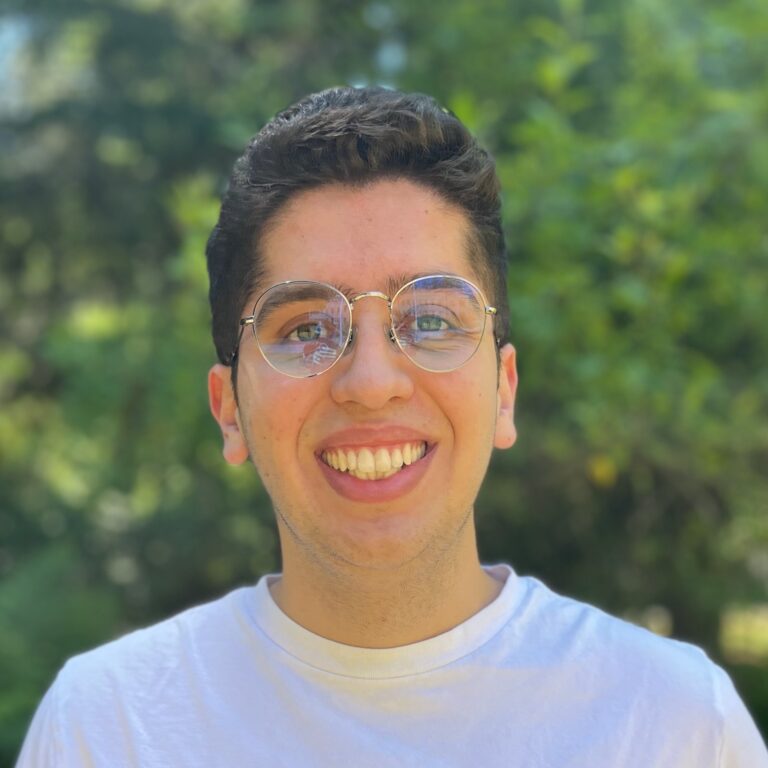
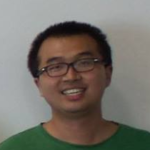
Murillo joined the Conrad Lab in April 2024 as a Computational Biologist. He is interested in understanding what genomic data can tell us about past evolutionary processes and events. His work spans computational methods development to empirical analysis of genetic variation in space and over time. He is an open-source software advocate and a developer of evolutionary simulation tools, such as stdpopsim and tskit.
Murillo got his PhD at the University of Oregon, where he worked with Andrew Kern and Peter Ralph on simulation-based inference in population genetics and methods development.
In his Master’s, he studied the genetics of adaptation of fruit flies to temperate climates at the University of São Paulo, Brazil.
Outside of the lab, Murillo enjoys cooking, spending time with his partner and cats and exploring the beautiful outdoors of Oregon!
Katinka joined the Conrad Lab as the lab manager in October 2018.
In addition to her lab administrative duties, she is responsible for scientific communications and graphic design.
Katinka received her PhD from the University of Chicago in human genetics, working in the laboratory of Dr. Daphne Preuss. For her thesis she developed an allergen microarray for high dimensional phenotyping and used these data to study the genetic basis of pollen allergy. Katinka has worked in both industry (Abcam) and academia (WUSM) in marketing and communications positions.
Outside of work, Katinka enjoys exploring the beautiful outdoors of Oregon and DIY-ing.